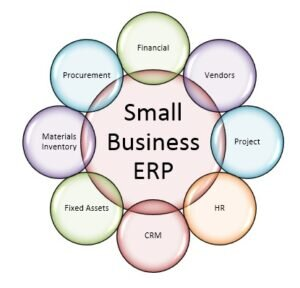
Welcome, dear readers! In today’s fast-paced and ever-evolving business world, effective inventory management is crucial for the success of any modern company. Implementing an Enterprise Resource Planning (ERP) system for inventory management can streamline processes, optimize stock levels, and improve overall efficiency. In this article, we will delve into the importance of ERP inventory management in helping businesses stay competitive and meet customer demands in the digital age.
Importance of ERP Inventory Management
Efficient inventory management is crucial for any business to ensure profitability while meeting customer demands. Enterprise Resource Planning (ERP) systems play a pivotal role in streamlining and optimizing inventory management processes. ERP inventory management helps businesses track, oversee, and control their inventory in a cohesive and centralized manner.
One key importance of ERP inventory management is improved accuracy. By integrating inventory data into a single system, businesses can avoid inaccuracies and disparities caused by manual data entry or disjointed systems. This ensures that business decisions are based on precise and real-time information, leading to better forecasting and planning.
The automation of tasks is another critical aspect of ERP inventory management. With ERP systems, businesses can automate processes such as reordering, tracking stock levels, and scheduling deliveries. This not only saves time but also reduces the likelihood of errors that can occur with manual intervention. As a result, businesses can operate more efficiently and effectively, leading to cost savings and improved productivity.
Furthermore, ERP inventory management enables businesses to have better visibility and control over their inventory. By providing real-time insights into stock levels, inventory movements, and order statuses, businesses can make informed decisions regarding purchasing, production, and distribution. This visibility also helps in reducing stockouts, overstocking, and obsolescence, thereby optimizing inventory levels and increasing profit margins.
Another benefit of ERP inventory management is enhanced customer satisfaction. By accurately tracking inventory levels and having the ability to fulfill orders promptly, businesses can ensure timely deliveries and meet customer demands effectively. This leads to improved customer satisfaction, loyalty, and retention, ultimately driving revenue growth.
In addition, ERP inventory management facilitates compliance with regulations and standards. With the ability to track and trace inventory accurately, businesses can ensure compliance with industry regulations, quality standards, and safety requirements. This not only mitigates risks but also enhances the reputation of the business in the market.
Overall, ERP inventory management is essential for businesses looking to streamline operations, reduce costs, increase efficiency, and improve customer satisfaction. By leveraging ERP systems to manage inventory effectively, businesses can achieve greater visibility, control, and accuracy in their inventory processes, leading to sustainable growth and success.
Benefits of ERP Inventory Optimization
ERP inventory optimization offers numerous benefits to businesses of all sizes. One of the key advantages is the ability to eliminate stockouts and overstock situations, which can be detrimental to a company’s bottom line. By using precise data and forecasting tools, ERP systems can help businesses maintain optimal inventory levels, ensuring that they have the right amount of stock on hand to meet customer demand without tying up excess capital in unnecessary inventory.
Furthermore, ERP inventory optimization can lead to improved cash flow for businesses. By reducing the amount of capital tied up in excess inventory, companies can free up funds to invest in other areas of the business or use for strategic initiatives. Additionally, by having better control over inventory levels, businesses can minimize the risk of obsolescence and reduce carrying costs associated with holding onto slow-moving or outdated stock.
Another benefit of ERP inventory optimization is enhanced visibility and control over inventory across the entire supply chain. With real-time data and reporting capabilities, businesses can track inventory levels, monitor stock movements, and identify trends or patterns that may impact inventory management. This level of visibility allows businesses to make more informed decisions about inventory replenishment, supply chain logistics, and overall inventory strategy.
Additionally, ERP inventory optimization can help businesses improve efficiency and productivity by streamlining inventory management processes. By automating tasks such as inventory tracking, forecasting, and replenishment, businesses can reduce manual errors, save time, and streamline operations. This can lead to cost savings, improved accuracy, and better overall performance in inventory management.
Moreover, ERP inventory optimization can enhance customer satisfaction by ensuring that businesses have the right products in stock when customers need them. By accurately predicting demand and maintaining optimal inventory levels, businesses can minimize stockouts, backorders, and delays in fulfillment, leading to a better customer experience. This can help businesses build loyalty, attract new customers, and ultimately drive revenue growth.
In conclusion, ERP inventory optimization offers a wide range of benefits to businesses, including improved inventory control, increased cash flow, enhanced visibility, efficiency gains, and customer satisfaction. By leveraging the power of ERP systems to optimize inventory management, businesses can achieve operational excellence, drive strategic growth, and stay competitive in today’s dynamic marketplace.
Challenges in Implementing ERP Inventory Solutions
Implementing an ERP inventory solution can be a daunting task for any organization. There are several challenges that companies may encounter during the implementation process, which can lead to delays, added costs, and potential disruptions in operations. Below are some of the key challenges that companies may face when trying to implement an ERP inventory solution:
1. Resistance to Change:
One of the biggest challenges in implementing an ERP inventory solution is resistance to change from employees. Many employees may be comfortable with the current inventory management system and may be reluctant to adopt a new system. This resistance can lead to delays in implementation as employees may require additional training and support to fully understand and use the new system. It is important for companies to communicate the benefits of the new ERP solution to employees and involve them in the implementation process to ensure buy-in and successful adoption.
2. Data Migration:
Another challenge in implementing an ERP inventory solution is data migration. Companies often have large amounts of inventory data stored in multiple systems, spreadsheets, and databases. Migrating this data to the new ERP system can be a complex and time-consuming process. It is important for companies to clean and consolidate their data before migration to ensure accuracy and consistency. Companies may also need to invest in data migration tools and expertise to help streamline the process and minimize the risk of errors.
3. Integration with Existing Systems:
Integrating an ERP inventory solution with existing systems and processes can be a significant challenge for many companies. Companies may have legacy systems, third-party applications, and manual processes that need to be integrated with the new ERP system. Ensuring seamless integration between systems is essential for achieving a comprehensive view of inventory and supply chain operations. Companies may need to invest in middleware tools, integration experts, and custom development to bridge the gap between the ERP system and existing systems. It is important for companies to carefully plan and test integrations to avoid disruptions in operations and data inconsistencies.
4. Customization and Configuration:
Every organization has unique inventory management needs and requirements. One of the challenges in implementing an ERP inventory solution is customizing and configuring the system to meet the specific needs of the organization. Companies may need to make adjustments to workflows, data fields, reports, and user interfaces to align with their business processes. This customization can be time-consuming and costly, especially if the ERP system is not flexible or easily configurable. Companies should work closely with the ERP vendor or implementation partner to ensure that the system can be tailored to meet their specific requirements.
5. Training and Support:
Proper training and support are essential for successful implementation and adoption of an ERP inventory solution. Companies need to invest in training programs to educate employees on how to use the new system effectively. Training should be tailored to different user groups, including warehouse staff, inventory managers, and procurement teams. Companies should also provide ongoing support and resources to help employees troubleshoot issues, learn new features, and maximize the benefits of the ERP system. Investing in training and support can help minimize resistance to change, improve user adoption, and ensure a smooth transition to the new system.
Key Features to Look for in ERP Inventory Software
When it comes to choosing the right ERP inventory software for your business, it’s important to consider a variety of key features that will help streamline your inventory management processes. Here are some essential features to look for when evaluating different ERP inventory software options:
1. Real-Time Tracking: One of the most important features to look for in ERP inventory software is the ability to track inventory in real-time. This means that you can see exactly how much stock you have on hand, what items are in transit, and where your inventory is located at any given moment. Real-time tracking helps prevent stockouts, overstock situations, and inaccuracies in inventory counts.
2. Integration with Other Systems: Another key feature to consider is the ability of the ERP inventory software to integrate seamlessly with other systems, such as your accounting software, order management system, and supply chain management tools. This integration ensures that data flows smoothly between different departments and eliminates the need for manual data entry.
3. Forecasting and Demand Planning: A good ERP inventory software should have robust forecasting and demand planning capabilities to help you anticipate future inventory needs and optimize your stock levels. By analyzing historical sales data, trends, and market demand, the software can generate accurate forecasts that guide your purchasing decisions and prevent excess or insufficient inventory levels.
4. Mobile Accessibility: In today’s fast-paced business environment, it’s crucial to have access to your inventory data on the go. Look for ERP inventory software that offers mobile accessibility, allowing you to check inventory levels, place orders, and track shipments from your smartphone or tablet. This feature enables you to make informed decisions and respond to inventory issues quickly, even when you’re away from the office.
Overall, when evaluating ERP inventory software options, make sure to prioritize features that will improve visibility, efficiency, and control over your inventory processes. Real-time tracking, seamless integration with other systems, forecasting capabilities, and mobile accessibility are just a few key features to look for to help you effectively manage your inventory and stay ahead of the competition.
Strategies for Streamlining ERP Inventory Control
Efficient inventory control is crucial for the overall success of a company. With the help of Enterprise Resource Planning (ERP) software, businesses can better manage their inventory and streamline their operations. Here are some strategies to help businesses optimize their ERP inventory control:
1. Centralized Inventory Management: One of the key strategies for streamlining ERP inventory control is to centralize all inventory management processes. By consolidating inventory data into a single, centralized system, businesses can improve visibility and accuracy of their inventory levels. This allows for better decision-making and reduces the risk of stockouts or overstocking.
2. Real-Time Inventory Tracking: Implementing real-time inventory tracking capabilities within the ERP system can greatly improve inventory control. With real-time data, businesses can monitor inventory levels, track shipments, and receive alerts for low stock levels. This helps businesses to make informed decisions quickly and prevent costly stockouts.
3. Demand Forecasting: Utilizing demand forecasting tools within the ERP system can help businesses predict customer demand and optimize inventory levels accordingly. By analyzing historical sales data and market trends, businesses can accurately forecast demand, reduce excess inventory, and improve cash flow.
4. Automated Replenishment: Automating the replenishment process can help businesses streamline inventory control and reduce manual errors. By setting up automated triggers for reordering inventory based on pre-defined criteria such as minimum stock levels or sales trends, businesses can ensure that they always have the right amount of stock on hand without overstocking.
5. Supplier Collaboration: Collaborating with suppliers through the ERP system can improve inventory control by enhancing communication, reducing lead times, and optimizing inventory replenishment. By sharing real-time inventory data with suppliers, businesses can improve forecasting accuracy, reduce stockouts, and negotiate better terms for procurement. Additionally, collaborating with suppliers can help businesses identify cost-saving opportunities and improve overall supply chain efficiency.
Originally posted 2025-03-02 04:49:10.