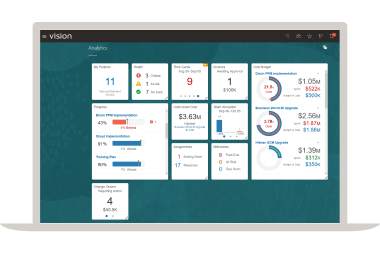
Welcome, reader! Have you ever wondered how large companies manage all their operations and keep track of everything efficiently? Well, the answer lies in ERP monitoring. Enterprise Resource Planning (ERP) systems are crucial for streamlining processes and ensuring smooth operations within an organization. Understanding ERP monitoring is key to maximizing efficiency and productivity. In this article, we will delve into the importance of ERP monitoring and how it can benefit businesses of all sizes.
Importance of ERP Monitoring
ERP monitoring is a crucial aspect of any business that utilizes an Enterprise Resource Planning (ERP) system. It involves the continuous tracking and analyzing of the various operations and processes within the ERP system to ensure optimal performance and efficiency. Monitoring allows businesses to identify potential issues, prevent downtime, and make informed decisions based on real-time data.
One of the key reasons why ERP monitoring is essential is that it helps businesses maintain system stability. As ERP systems are complex and interconnected, even a small glitch or error in one module can have a ripple effect on the entire system. By monitoring the system regularly, businesses can identify and address issues before they escalate, preventing system crashes or failures that could disrupt operations and lead to significant financial losses.
Furthermore, ERP monitoring enables businesses to proactively manage their resources and improve overall performance. By tracking key metrics such as resource utilization, response times, and transaction volumes, businesses can identify bottlenecks, optimize processes, and allocate resources more efficiently. This not only enhances productivity and performance but also reduces operational costs and improves the bottom line.
Another important benefit of ERP monitoring is its impact on decision-making. Real-time monitoring provides businesses with up-to-date data on various aspects of their operations, allowing them to make informed decisions quickly. Whether it’s identifying trends, forecasting demand, or analyzing customer behavior, monitoring helps businesses stay ahead of the curve and adapt to changing market conditions swiftly.
Moreover, ERP monitoring plays a critical role in ensuring data security and compliance. With the increasing threat of cyberattacks and data breaches, businesses need to closely monitor their ERP systems to detect any unauthorized access or suspicious activities. Monitoring also helps businesses ensure compliance with industry regulations and data protection laws by tracking access controls, audit trails, and data encryption measures.
In conclusion, ERP monitoring is a vital component of any business that aims to maximize the efficiency, performance, and security of its ERP system. By continuously monitoring their system, businesses can prevent downtime, optimize resources, make informed decisions, and ensure data security and compliance. Ultimately, ERP monitoring helps businesses stay competitive, agile, and resilient in today’s fast-paced and dynamic business environment.
Key Metrics to Track in ERP Systems
When it comes to monitoring ERP systems, there are several key metrics that companies should track to ensure the smooth operation of their business processes. One of the most important metrics to monitor is system uptime. This metric measures the amount of time that the ERP system is operational and can give an indication of its reliability. A high system uptime percentage indicates that the system is functioning well and that downtime is minimal.
Another important metric to track in ERP systems is system performance. This metric focuses on the speed and efficiency of the system in handling business processes. Monitoring system performance can help identify any bottlenecks or issues that may be affecting the overall performance of the ERP system. By tracking this metric, companies can take proactive measures to optimize the system and improve its functionality.
Furthermore, tracking data accuracy is crucial for ensuring the reliability of the information processed by the ERP system. Data accuracy measures the consistency and correctness of the data stored in the system. Monitoring this metric can help identify any data discrepancies or inconsistencies that may arise, allowing companies to take corrective actions to maintain data integrity.
In addition, tracking user adoption is essential for evaluating the level of engagement and utilization of the ERP system by employees. User adoption metrics measure how effectively employees are using the system and can help identify any training needs or areas for improvement. By monitoring user adoption, companies can ensure that their investment in the ERP system is being maximized and that employees are fully utilizing its capabilities.
Another important metric to track in ERP systems is system security. Security metrics measure the effectiveness of the system in protecting sensitive data and preventing unauthorized access. Monitoring system security can help identify any vulnerabilities or threats to the system, allowing companies to enhance their security measures and protect their data from potential breaches.
Overall, tracking these key metrics in ERP systems is essential for ensuring the effectiveness and reliability of the system in supporting business operations. By monitoring system uptime, performance, data accuracy, user adoption, and security, companies can proactively manage their ERP systems and optimize their functionality to meet the needs of their organization.
Real-time Monitoring Tools for ERP
Real-time monitoring tools are important for keeping track of your ERP system’s performance and ensuring everything is running smoothly. These tools provide up-to-the-minute data on key metrics and indicators, allowing you to quickly identify and address any issues that may arise. With real-time monitoring, you can proactively manage your ERP system and minimize downtime, resulting in better overall performance and improved productivity.
There are several real-time monitoring tools available on the market that are specifically designed for ERP systems. These tools offer a wide range of features and capabilities to help you monitor and manage your ERP system effectively. Some of the most popular real-time monitoring tools include:
1. AppDynamics:
AppDynamics is a powerful application performance monitoring tool that provides real-time visibility into your ERP system’s performance. With AppDynamics, you can monitor key performance metrics, such as response time, throughput, and error rate, in real-time. This allows you to quickly identify any performance bottlenecks or issues and take immediate action to address them. AppDynamics also offers advanced monitoring capabilities, such as transaction tracking and code-level visibility, to help you pinpoint and resolve performance issues more effectively.
2. New Relic:
New Relic is another popular real-time monitoring tool that offers comprehensive monitoring and performance management capabilities for ERP systems. With New Relic, you can monitor key performance metrics, such as application response time, database performance, and server health, in real-time. New Relic also offers advanced analytics and reporting features to help you track performance trends and identify areas for improvement. Additionally, New Relic provides proactive alerting and notification capabilities to help you quickly respond to any performance issues that may arise.
3. Datadog:
Datadog is a cloud-based monitoring and analytics platform that offers real-time visibility into your ERP system’s performance. With Datadog, you can monitor key performance metrics, such as CPU usage, memory utilization, and network traffic, in real-time. Datadog also provides advanced monitoring capabilities, such as log management and application tracing, to help you troubleshoot performance issues more effectively. Additionally, Datadog offers customizable dashboards and reporting features to help you track performance metrics and trends over time.
In conclusion, real-time monitoring tools are essential for managing and optimizing your ERP system’s performance. By using these tools, you can proactively monitor key performance metrics, identify and address performance issues quickly, and improve overall system performance and productivity. Whether you choose AppDynamics, New Relic, Datadog, or another real-time monitoring tool, investing in a monitoring solution will help you keep your ERP system running smoothly and efficiently.
Benefits of Continuous Monitoring in ERP
Continuous monitoring in ERP systems offers a range of benefits that can help improve the overall performance and effectiveness of an organization. By regularly tracking and analyzing data, organizations can identify issues, trends, and opportunities in real-time, enabling them to make more informed decisions and take timely action. Here are some of the key benefits of continuous monitoring in ERP:
1. Improved Data Accuracy: Continuous monitoring helps ensure that data entered into the ERP system is accurate and up-to-date. By identifying discrepancies or errors in real-time, organizations can quickly address and correct issues, reducing the risk of making decisions based on incorrect or outdated information.
2. Enhanced Security: Continuous monitoring can help organizations detect and prevent data breaches or unauthorized access to sensitive information. By monitoring user activity, system logs, and network traffic, organizations can identify potential security threats and take proactive measures to protect their data and systems.
3. Better Compliance: Continuous monitoring enables organizations to ensure that they are in compliance with industry regulations and internal policies. By continuously tracking and analyzing data, organizations can quickly identify any potential compliance issues and take corrective action to avoid penalties or fines.
4. Increased Efficiency: Perhaps one of the most significant benefits of continuous monitoring in ERP is the potential for increased efficiency. By automating routine monitoring tasks, organizations can free up time and resources to focus on more strategic initiatives. Additionally, by identifying and addressing issues in real-time, organizations can streamline processes, reduce manual interventions, and improve overall operational efficiency.
Continuous monitoring in ERP systems can provide organizations with a competitive edge by enabling them to make data-driven decisions, enhance security, and maintain compliance with regulations. By leveraging the benefits of continuous monitoring, organizations can optimize their ERP systems and drive better business outcomes.
Best Practices for Effective ERP Monitoring
ERP monitoring is a critical aspect of ensuring the smooth functioning of your ERP system and avoiding any unexpected issues that could disrupt your business operations. Here are some best practices to help you effectively monitor your ERP system:
1. Establish Key Performance Indicators (KPIs): Before you start monitoring your ERP system, it’s essential to define the key performance indicators that will help you gauge its performance. These KPIs could include metrics related to system uptime, response times, data accuracy, and user satisfaction. By establishing KPIs, you’ll have a clear understanding of what success looks like and can easily spot any deviations from the norm.
2. Monitor in Real-Time: Real-time monitoring is essential for promptly identifying and addressing any issues that may arise in your ERP system. By monitoring in real-time, you can quickly detect performance bottlenecks, data errors, or security breaches before they escalate into more significant problems. Utilize monitoring tools that provide real-time alerts and notifications to stay ahead of potential issues.
3. Regularly Analyze System Performance: Regularly analyzing your ERP system’s performance data can help you identify trends, patterns, or anomalies that may indicate underlying issues. By monitoring key metrics over time, you can gain insights into how your ERP system is functioning and make informed decisions about optimization or troubleshooting efforts.
4. Automate Monitoring Processes: Automating monitoring processes can save time and resources while ensuring that your ERP system is continuously monitored. Utilize automation tools to schedule regular system checks, generate performance reports, and trigger alerts based on predefined thresholds. Automation can help streamline your monitoring efforts and ensure nothing falls through the cracks.
5. Implement a Proactive Monitoring Strategy: In addition to reactively monitoring your ERP system for issues, it’s essential to adopt a proactive monitoring strategy. This involves identifying potential pain points, vulnerabilities, or areas for improvement in your ERP system and taking proactive measures to address them before they turn into problems. Proactive monitoring can help you stay ahead of issues, prevent downtime, and enhance overall system performance.
By following these best practices for effective ERP monitoring, you can proactively manage your ERP system, optimize its performance, and minimize the risk of disruptions to your business operations. Remember that ongoing monitoring and analysis are key to ensuring the long-term success and stability of your ERP system.
Originally posted 2025-03-09 13:39:02.