Welcome to the fascinating world of Enterprise Resource Planning (ERP) systems! In today’s fast-paced business environment, the evolution of modern ERP systems has played a pivotal role in streamlining processes, boosting efficiency, and driving growth for organizations of all sizes. From the early days of basic accounting software to the sophisticated cloud-based solutions of today, ERP systems have come a long way in meeting the ever-changing needs of businesses. Join us on a journey as we delve into the evolution of ERP systems and uncover how they have transformed the way companies operate in the digital age.
Cloud-Based Technology Integration
Cloud-based technology integration is a key feature of modern ERP systems, allowing businesses to access their data and applications remotely through the internet. This type of integration eliminates the need for on-premise servers and expensive hardware, making it a cost-effective solution for businesses of all sizes.
One of the main benefits of cloud-based technology integration is the flexibility it provides. With cloud ERP systems, employees can access the system from any location with an internet connection, allowing for remote work and increased collaboration. This flexibility is especially important in today’s fast-paced business environment, where agility and adaptability are essential for success.
Another advantage of cloud-based technology integration is scalability. Traditional ERP systems often require costly upgrades and maintenance to accommodate growth, but cloud ERP systems can easily scale up or down to meet changing business needs. This scalability allows businesses to pay only for the resources they need, reducing waste and saving money in the long run.
Security is also a top priority when it comes to cloud-based technology integration. Cloud ERP systems come with built-in security features to protect sensitive data and prevent unauthorized access. In addition, cloud providers often have dedicated teams of security experts working to monitor and protect their systems, giving businesses peace of mind knowing their data is safe.
Integration with other cloud-based applications is another key feature of modern ERP systems. Many businesses use a variety of cloud-based tools for different aspects of their operations, such as customer relationship management (CRM) or project management. Cloud ERP systems can be easily integrated with these other applications, allowing for seamless data sharing and a more streamlined workflow.
Overall, cloud-based technology integration offers a wide range of benefits for businesses looking to modernize their ERP systems. From increased flexibility and scalability to enhanced security and seamless integration with other cloud-based tools, cloud ERP systems provide a cost-effective and efficient solution for businesses of all sizes.
Artificial Intelligence and Machine Learning Capabilities
Modern ERP systems are leveraging artificial intelligence (AI) and machine learning (ML) capabilities to provide more intelligent and automated solutions for businesses. AI and ML technologies are being integrated into ERP systems to help streamline processes, improve decision-making, and enhance overall efficiency.
One of the main benefits of incorporating AI and ML into ERP systems is the ability to automate repetitive tasks and processes. For example, AI-powered ERP systems can automatically categorize and organize large amounts of data, reducing the manual effort required to manage and analyze information. This not only saves time but also minimizes the risk of errors that can occur with manual data entry.
AI and ML capabilities in ERP systems also enable predictive analytics, allowing businesses to forecast trends, identify patterns, and make informed decisions based on real-time data. By analyzing historical data and predicting future outcomes, AI-powered ERP systems can help businesses anticipate market changes, optimize inventory levels, and improve overall operational efficiency.
Additionally, AI and ML technologies in ERP systems can enhance the user experience by providing personalized recommendations and insights. For example, AI-powered ERP systems can suggest relevant products to customers based on their past purchase history, preferences, and behavior. This level of personalization can help businesses drive sales, increase customer satisfaction, and build brand loyalty.
Furthermore, AI and ML capabilities can assist businesses in detecting anomalies and identifying potential risks. By analyzing data patterns and trends, AI-powered ERP systems can alert users to unusual activities or deviations from normal behavior, enabling businesses to take proactive measures to mitigate risks and prevent potential issues.
Overall, the integration of AI and ML capabilities into modern ERP systems is revolutionizing the way businesses operate and make decisions. By automating tasks, providing predictive insights, offering personalized recommendations, and detecting anomalies, AI-powered ERP systems are helping businesses stay competitive in a rapidly evolving market.
Mobile Accessibility and Remote Functionality
Modern ERP systems have evolved to be more user-friendly and accessible than ever before, with a focus on mobile accessibility and remote functionality. This means that users can access key features and functionalities of their ERP system from anywhere, at any time, using their mobile devices such as smartphones or tablets.
One of the key benefits of mobile accessibility is the ability for employees to stay connected and productive while on the go. Whether they are working from home, traveling for business, or simply away from their desk, employees can easily access the ERP system and perform tasks such as approving purchase orders, checking inventory levels, or submitting expenses. This not only streamlines operations but also ensures that critical business processes can continue uninterrupted.
In addition to mobile accessibility, modern ERP systems also offer remote functionality, allowing users to access the system from any location with an internet connection. This is especially useful for companies with multiple locations or remote employees, as it enables seamless communication and collaboration across the organization. Remote functionality also allows for real-time data access, so users can make informed decisions based on the most up-to-date information available.
Furthermore, remote functionality is essential for businesses that have adopted a flexible or remote work environment. With the ability to access the ERP system from anywhere, employees can still perform their job duties effectively, regardless of their physical location. This level of flexibility not only improves employee satisfaction but also boosts overall productivity and efficiency.
Moreover, mobile accessibility and remote functionality can enhance customer satisfaction by providing faster response times and more personalized service. Sales representatives, for example, can access customer data and update orders in real-time while meeting with clients, leading to a more seamless and efficient sales process. Additionally, customer service teams can access relevant information quickly and easily, allowing them to resolve issues and inquiries promptly.
Overall, the integration of mobile accessibility and remote functionality into modern ERP systems has transformed the way businesses operate in today’s fast-paced and interconnected world. By enabling users to access the system from anywhere, at any time, organizations can improve efficiency, productivity, and customer satisfaction. As technology continues to evolve, we can expect even further advancements in mobile accessibility and remote functionality, shaping the future of ERP systems for years to come.
Integration with Internet of Things (IoT) Devices
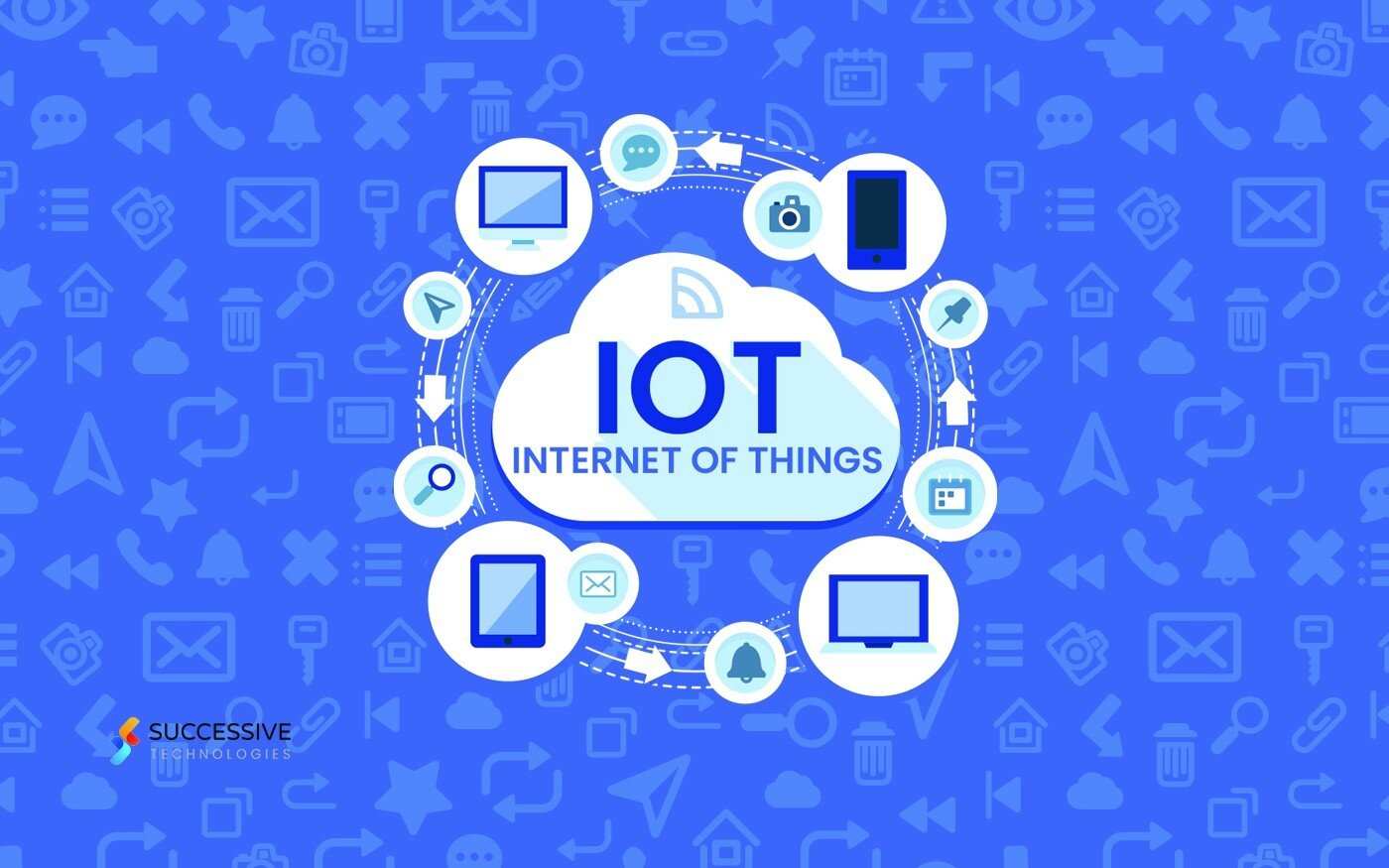
Modern ERP systems have evolved to include integration with Internet of Things (IoT) devices, allowing businesses to streamline their operations and make data-driven decisions in real time. IoT devices are physical devices embedded with sensors, software, and other technologies that connect and exchange data with other devices or systems over the internet. By integrating these devices with ERP systems, businesses can collect valuable data from various sources, such as machines, sensors, and equipment, to gain insights into their operations and improve efficiency.
One of the key benefits of integrating IoT devices with ERP systems is the ability to monitor and track assets in real time. For example, sensors attached to manufacturing equipment can send data to the ERP system, providing real-time insights into machine performance, maintenance needs, and production levels. This allows businesses to proactively address maintenance issues, prevent downtime, and optimize production schedules to meet customer demands.
In addition, integrating IoT devices with ERP systems can improve inventory management by providing real-time visibility into stock levels, reorder points, and supply chain activities. For example, RFID tags on inventory items can automatically update the system when items are received, shipped, or consumed, enabling businesses to track inventory levels accurately and prevent stockouts or overstock situations. This real-time visibility allows businesses to make informed decisions about inventory management, procurement, and production planning.
Furthermore, integrating IoT devices with ERP systems can enable businesses to automate business processes and improve operational efficiency. For example, smart sensors in a warehouse can communicate with the ERP system to automatically reorder inventory when stock levels are low, trigger alerts for maintenance tasks, or optimize routing for delivery trucks based on real-time traffic conditions. By automating these processes, businesses can reduce manual tasks, minimize errors, and improve overall productivity.
Another advantage of integrating IoT devices with ERP systems is the ability to analyze and make use of real-time data for predictive analytics. By collecting data from various sources, such as machines, sensors, and equipment, businesses can analyze trends, identify patterns, and make data-driven decisions to optimize operations and drive business growth. For example, predictive maintenance algorithms can analyze sensor data to predict equipment failures before they occur, enabling businesses to proactively address maintenance issues and prevent unplanned downtime.
In conclusion, the integration of IoT devices with ERP systems offers businesses a powerful tool to improve operational efficiency, automate processes, and make data-driven decisions in real time. By leveraging the insights gained from IoT devices, businesses can enhance asset tracking, inventory management, business processes, and predictive analytics to drive business success and competitive advantage in today’s digital economy.
Real-Time Data Analytics and Reporting
Modern ERP systems have revolutionized the way businesses manage their data by providing real-time data analytics and reporting capabilities. With the click of a button, users can access up-to-date information on key performance indicators, sales figures, inventory levels, and more. This real-time data enables decision-makers to have a comprehensive view of their business operations at any given moment, allowing for quick and informed decision-making.
One of the key benefits of real-time data analytics is the ability to track and monitor business performance in real time. This means that managers can quickly identify trends, issues, and opportunities as they arise, rather than having to wait for outdated reports. For example, if sales numbers are lower than expected, managers can dig into the data to understand the root cause and take corrective action immediately.
Furthermore, real-time data analytics allows for faster and more accurate reporting. Instead of spending hours compiling data from various sources, ERP systems can automatically generate reports with the most up-to-date information. This not only saves time but also reduces the risk of errors that can occur when data is manually entered and processed.
In addition to providing real-time data analytics, modern ERP systems also offer advanced reporting capabilities. Users can create custom reports tailored to their specific needs, whether it’s tracking sales performance, analyzing inventory turnover, or monitoring employee productivity. These reports can be generated on-demand or scheduled to run at regular intervals, giving users the flexibility to access the information they need when they need it.
Another advantage of real-time data analytics and reporting is the ability to spot and capitalize on emerging opportunities. By monitoring data in real time, businesses can quickly identify trends, customer preferences, and market changes, allowing them to pivot their strategies and stay ahead of the competition. For example, if a particular product is suddenly in high demand, businesses can adjust their production schedules or marketing efforts to capitalize on the opportunity.
Overall, the real-time data analytics and reporting capabilities of modern ERP systems have transformed the way businesses operate. By providing up-to-date information, faster reporting, and advanced analytics, ERP systems empower decision-makers to make informed choices that drive business growth and success. With real-time data at their fingertips, businesses can stay agile, competitive, and responsive in today’s fast-paced marketplace.
Originally posted 2025-03-07 22:51:21.